Getting enough sleep can be tough when your mind won’t stop racing or when anxiety keeps your body on edge. Fortunately, using the best breathing exercises for sleep and anxiety can calm your nervous system, reduce stress hormones, and help you drift into deeper, more restorative rest. In this guide, you’ll discover seven simple yet powerful techniques that combine science and mindfulness to help you breathe your way to better sleep.
Table of Contents
Toggle1. Why Breathing Matters for Sleep and Anxiety
Breathing is the bridge between the mind and body. When you’re stressed or anxious, your breathing becomes shallow, signaling the brain to stay alert. Over time, this cycle leads to poor rest and restless nights. Practicing deep breathing techniques for better sleep can slow your heart rate, lower cortisol, and cue your body to relax — preparing you for a peaceful night.
In fact, studies show that intentional breathing lowers activity in the amygdala (the brain’s fear center), reducing anxiety and improving overall sleep quality. It’s a natural, drug-free solution you can practice anywhere, anytime.
2. How Breathing Affects Sleep Quality
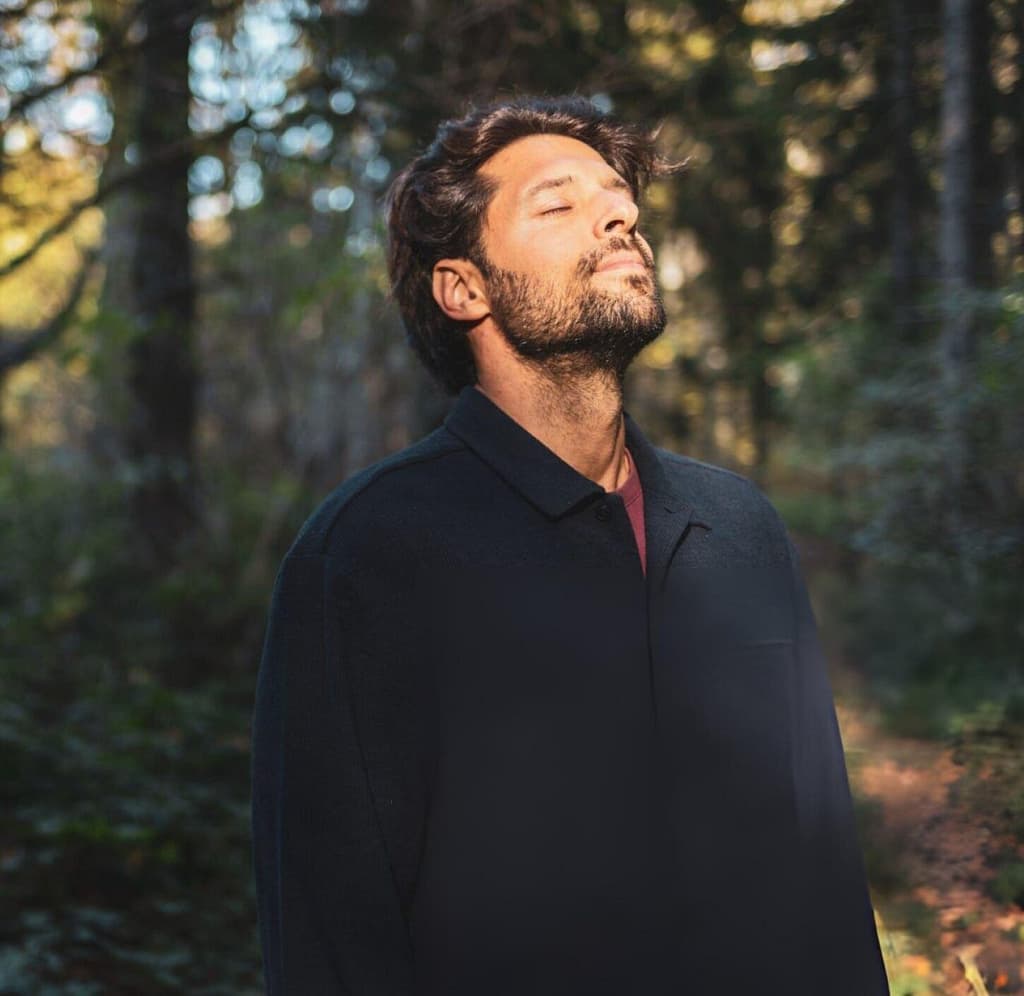
Understanding how breathing affects sleep quality is essential if you want consistent, restful nights. Shallow, rapid breathing reduces oxygen flow, which makes it harder for the body to enter deep sleep stages. On the other hand, rhythmic and slow breathing enhances oxygen exchange and triggers the parasympathetic nervous system — the body’s “rest and digest” mode.
When this system activates, your body temperature drops, your heart rate slows, and your brain waves stabilize — all of which help you fall asleep faster and stay asleep longer.
3. The 4-7-8 Breathing Method for Relaxation
One of the most popular and effective breathing patterns is the 4-7-8 breathing method for relaxation. Developed by Dr. Andrew Weil, this technique focuses on slowing your breathing rhythm to calm both body and mind.
Here’s how to do it:
- Inhale gently through your nose for 4 seconds.
- Hold your breath for 7 seconds.
- Exhale slowly through your mouth for 8 seconds.
Repeat this cycle four to six times. Within minutes, your body releases tension, your heartbeat steadies, and your mind becomes calm — making it easier to transition into sleep.
4. Box Breathing for Anxiety Relief
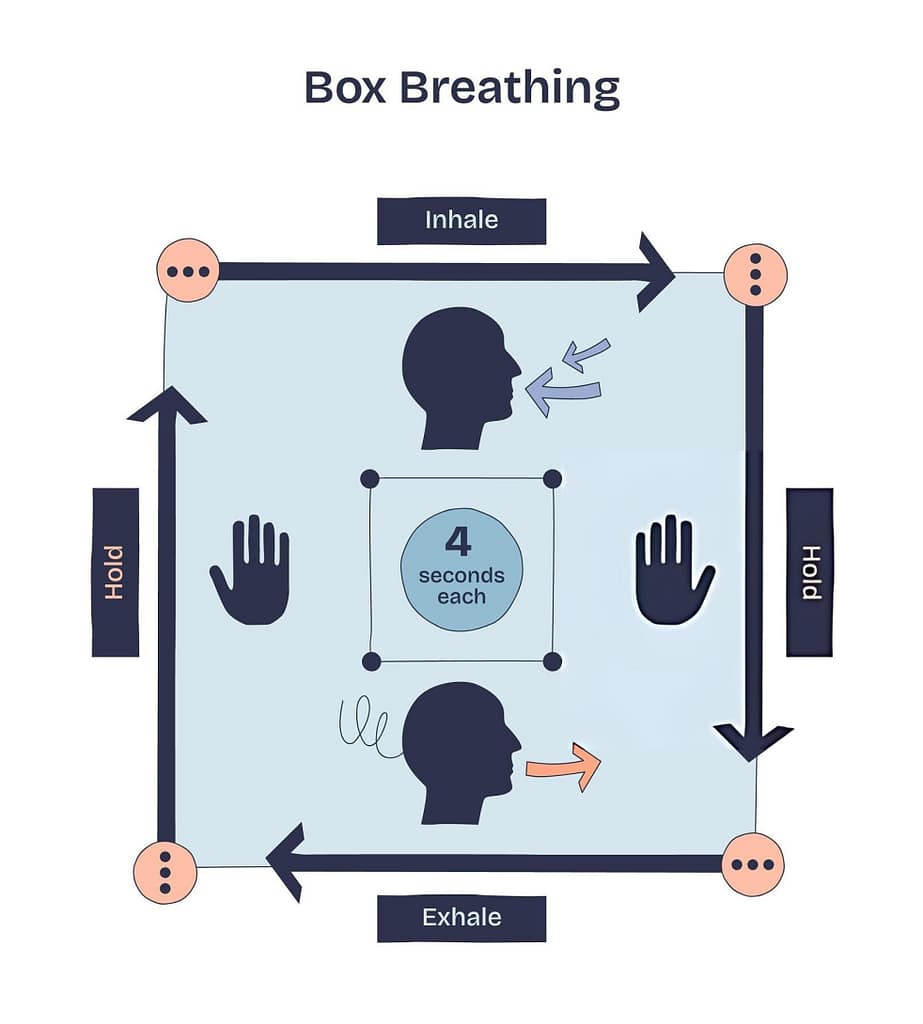
Another effective technique is box breathing for anxiety relief, also known as square breathing. It’s simple yet powerful, often used by athletes and even Navy SEALs to stay calm under pressure.
To practice:
- Inhale through your nose for 4 seconds.
- Hold your breath for 4 seconds.
- Exhale for 4 seconds.
- Hold again for 4 seconds.
This method balances oxygen and carbon dioxide levels in the body, reduces anxiety, and creates a sense of control over your thoughts — perfect for quieting a restless mind before bedtime.
5. Diaphragmatic Breathing for Calm Sleep
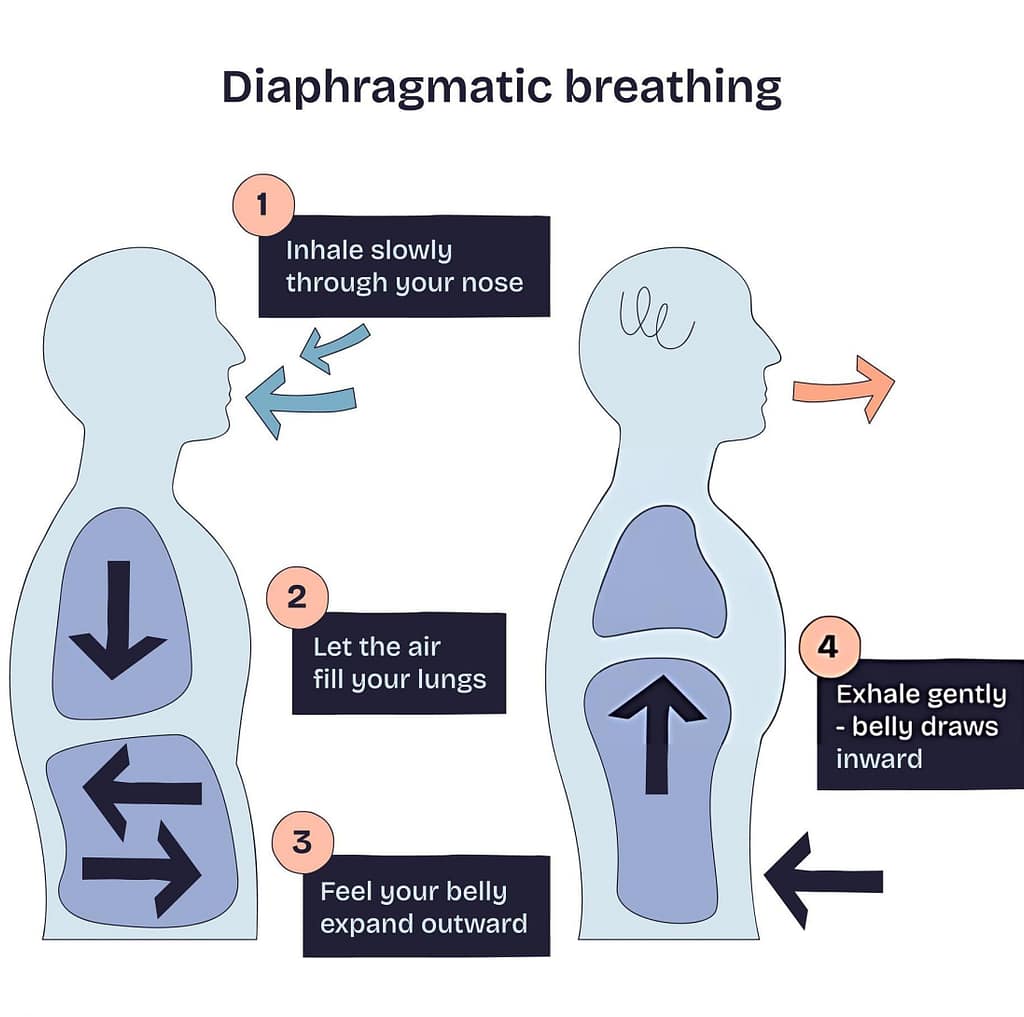
Also called belly breathing, diaphragmatic breathing for calm sleep helps you engage your diaphragm rather than your chest. This deeper breathing technique increases lung capacity and oxygen flow while stimulating the vagus nerve — the body’s natural relaxation switch.
Try it by placing one hand on your belly and one on your chest. Inhale through your nose, letting your stomach rise, then exhale slowly through your mouth. After a few minutes, you’ll notice your body relaxing and your thoughts slowing down — a gentle path to inner calm and restful sleep.
6. Free 7-Day Sleep Blueprint eBook
Sleep Better, Live Better!
Want to master the art of restorative sleep? Download your 7-Day Sleep Blueprint eBook, a complete guide to optimizing your breathing, improving sleep patterns, and calming your mind.
Enter your email below to get your free copy instantly and start sleeping peacefully tonight!
7. Best Breathing Exercises for Sleep and Anxiety (conclusion)
Integrating bedtime breathing exercises to fall asleep faster into your nightly routine can transform the way you rest. Start by dimming the lights, turning off screens, and practicing mindful breathing for 5–10 minutes before bed.
The benefits of mindful breathing before bed go beyond relaxation — it improves focus, reduces nighttime awakenings, and enhances overall mood. Over time, your brain begins to associate deep breathing with rest, making it easier to drift off naturally each night.
You can combine breathing with gentle stretches or soothing music to enhance the relaxation effect and improve your sleep consistency.