Many people struggling with sleepless nights often wonder — insomnia vs anxiety which comes first? Understanding the relationship between anxiety and insomnia is key to breaking the cycle and improving your sleep naturally.
Table of Contents
ToggleDoes Anxiety Cause Insomnia or Insomnia Cause Anxiety?
The relationship is often bidirectional. For some, does anxiety cause insomnia or insomnia cause anxiety? Anxiety can keep your mind racing, making it difficult to fall asleep. Conversely, chronic insomnia can heighten stress levels, increasing feelings of worry and nervousness.
Recognizing the primary trigger is the first step in addressing the problem effectively.
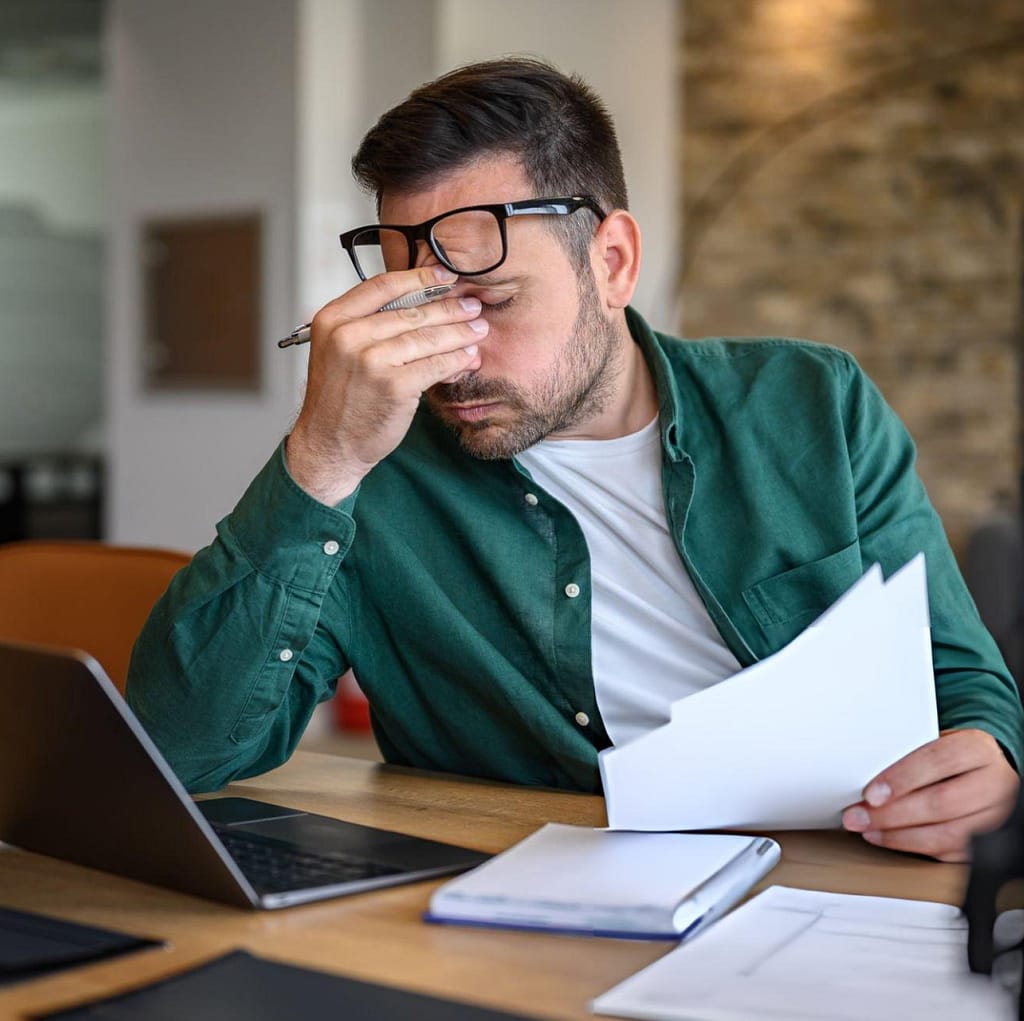
How to Break the Cycle of Insomnia and Anxiety
Breaking the vicious cycle of sleeplessness and worry requires consistent strategies. Here’s how to break the cycle of insomnia and anxiety:
- Set a consistent sleep schedule — Going to bed and waking up at the same time helps regulate your internal clock.
- Limit caffeine and stimulants — Avoid coffee, energy drinks, and heavy meals in the evening.
- Create a calming bedtime environment — Dim lights, soft music, or aromatherapy can signal your brain to relax.
- Practice relaxation techniques — Deep breathing, meditation, or gentle stretching can reduce stress before sleep.
Tips to Manage Anxiety for Better Sleep
Tips to manage anxiety for better sleep focus on calming the mind and body:
- Keep a worry journal — write down anxious thoughts before bed.
- Practice mindfulness meditation or guided imagery.
- Engage in light physical activity during the day.
- Avoid screen time 1 hour before sleeping.
These habits help reduce racing thoughts and improve sleep quality over time.

Natural Remedies for Insomnia Caused by Anxiety
Many people seek natural remedies for insomnia caused by anxiety. Some effective options include:
- Herbal teas like chamomile or valerian root.
- Magnesium or melatonin supplements (consult a doctor).
- Warm baths to relax muscles and nervous tension.
- Aromatherapy with lavender or sandalwood essential oils.
Combining these with a consistent routine can help restore restful sleep naturally.
Sleep Techniques to Reduce Anxiety at Night
Simple sleep techniques to reduce anxiety at night can make a big difference:
- Progressive muscle relaxation — Tense and release muscles slowly from head to toe.
- Box breathing — Inhale for 4 counts, hold for 4, exhale for 4, hold for 4.
- Visualization — Imagine a peaceful place or scenario to distract from anxious thoughts.
Practicing these nightly strengthens your ability to fall asleep without being consumed by anxiety.

How Anxiety Affects Your Sleep Quality
How anxiety affects your sleep quality is significant. Anxiety can:
- Increase time it takes to fall asleep (sleep latency).
- Reduce deep, restorative sleep.
- Cause frequent awakenings.
- Lead to early morning fatigue.
Understanding these effects helps you prioritize strategies to combat both anxiety and insomnia simultaneously.
🌙 Want to Sleep Better and Reduce Anxiety Naturally?
If anxiety or racing thoughts are keeping you awake, the 7-Day Sleep Blueprint eBook provides a step-by-step guide to naturally improve your sleep, calm your mind, and wake up refreshed.
👉 Enter your email to get your free copy instantly!
FAQ – Insomnia vs Anxiety Which Comes First
1. Can insomnia trigger anxiety?
Yes, persistent sleeplessness can heighten stress levels, making you feel more anxious over time.
2. How does anxiety affect sleep patterns?
Anxiety can make it difficult to fall asleep, cause frequent awakenings, and reduce deep restorative sleep.
3. Are there natural ways to improve sleep with anxiety?
Practices like meditation, gentle stretching, and calming bedtime rituals can improve sleep quality without medication.
4. Is it possible to break the cycle of anxiety and insomnia?
Yes, consistent sleep routines, stress management techniques, and healthy lifestyle habits can help break the cycle.
5. When should I seek professional help for insomnia or anxiety?
If sleep problems or anxiety persist for weeks and affect daily life, it’s important to consult a healthcare professional.